
Culinary Arts Associate Degree: 2-Year Chef Training at EMCC
Explore the 2-year in-person Culinary Arts/Chef Training Associate's degree at Eastern Maine Community College and launch your culinary career.

By Elena Markova
For many aspiring chefs, the dream of running a kitchen or crafting signature dishes begins with a single, practical question: where should I train? While culinary school is not the only path to success, a structured program can fast-track your skills, connect you with industry professionals, and open doors to roles that are hard to reach through self-teaching alone. If you are looking for a hands-on, career-focused education in the Northeast, the Culinary Arts/Chef Training Associate's degree, usually 2 years In-person at Eastern Maine Community College, offers a compelling option. This program combines rigorous kitchen practice with business fundamentals, preparing graduates for the realities of modern food service. Let's explore what this degree entails, why it matters, and how it can shape your culinary career.
Choosing the right culinary program is a significant decision. You are investing time, money, and energy into a craft that demands both creativity and discipline. The two-year associate degree format is particularly attractive because it provides a comprehensive education without the extended timeline of a four-year program. At Eastern Maine Community College (EMCC), students gain practical experience in real kitchen environments, learn from seasoned chefs, and build a portfolio that speaks louder than any résumé bullet point.
Why Choose an In-Person Culinary Arts Program?
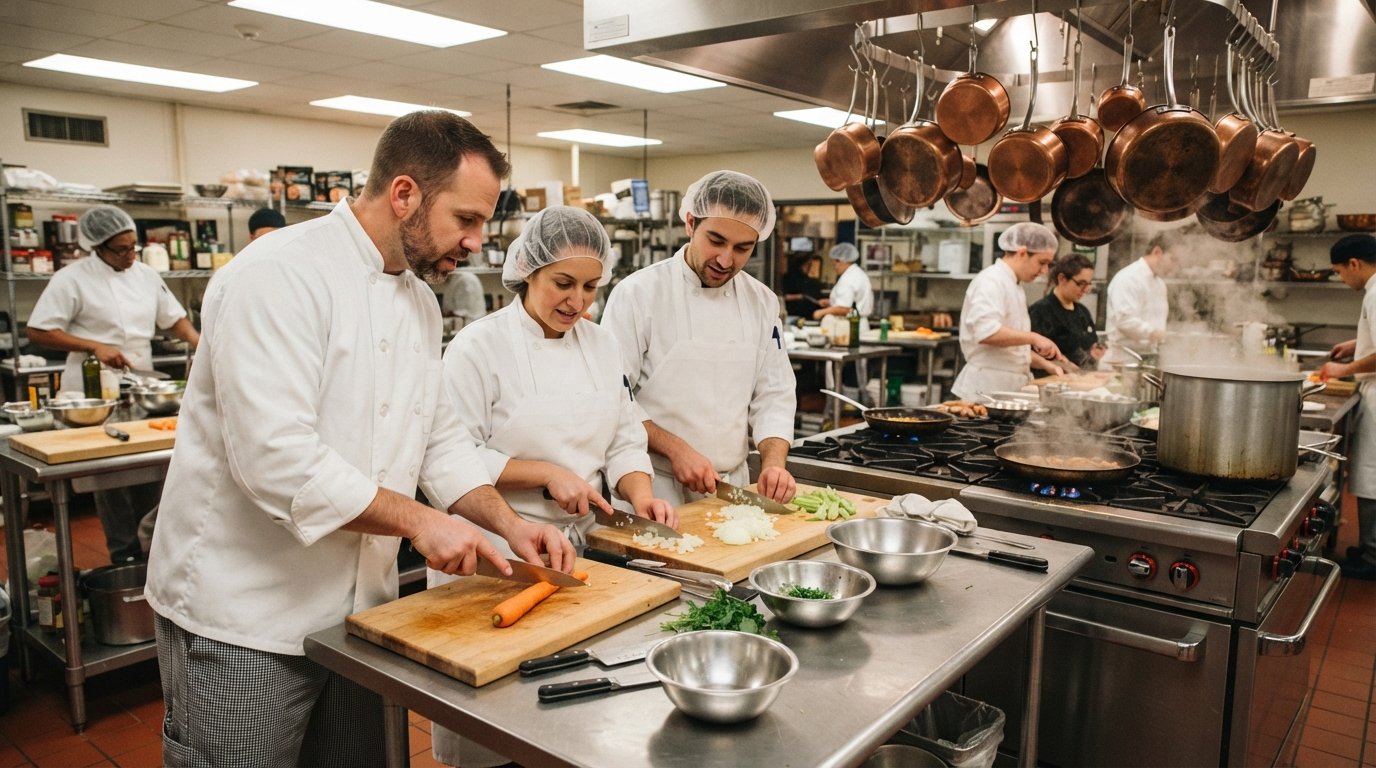
The culinary industry is fundamentally tactile. It is about the feel of dough, the sizzle of a pan, and the timing of a service rush. While online courses can teach theory, they cannot replicate the sensory feedback and team dynamics of a working kitchen. An in-person program, like the one at EMCC, immerses you in this environment from day one. You will practice knife skills, sauce making, baking techniques, and plating aesthetics under the direct supervision of instructors who have real-world experience. This immediate feedback loop is invaluable for refining your technique and building the muscle memory that professional cooking requires.
Moreover, the in-person format fosters a sense of camaraderie and professional networking. You will work alongside peers who share your passion, and you will learn to communicate effectively in high-pressure situations. These are the soft skills that employers in the hospitality industry consistently rank as essential. The kitchen is a team sport, and an on-campus program teaches you how to be a reliable player.
What to Expect from the Associate Degree Curriculum
The Culinary Arts/Chef Training Associate's degree at Eastern Maine Community College is structured to give you a broad foundation while allowing you to develop specialized interests. The curriculum typically blends hands-on kitchen labs with classroom instruction in food science, nutrition, and hospitality management. You will start with the basics: sanitation, safety, and fundamental cooking methods. From there, you progress to more complex topics like garde manger (cold foods), baking and pastry, and global cuisines.
Beyond the stove, the program emphasizes the business side of running a food operation. You will learn about cost control, menu planning, purchasing, and inventory management. These skills are critical for anyone who aspires to become an executive chef, restaurant owner, or food service director. By the time you graduate, you will not only know how to cook well but also how to manage a profitable kitchen. Many programs also include an externship or internship component, giving you real-world experience in a professional setting before you even graduate.
Core Courses and Skills You Will Develop
While specific course names may vary, you can expect to encounter subjects like these:
- Introduction to Culinary Arts: foundational techniques, knife skills, and kitchen safety.
- Food Sanitation and Safety: ServSafe certification preparation, which is often required by employers.
- Baking and Pastry Arts: breads, desserts, and pastry presentation.
- Nutrition and Menu Development: understanding dietary needs and creating balanced menus.
- Garde Manger: cold food preparation, charcuterie, and buffet presentation.
These courses are designed to build your confidence and competence step by step. You will leave with a well-rounded skill set that makes you immediately employable in a variety of settings, from fine dining restaurants to hotels, catering companies, and even healthcare facilities.
Career Opportunities After Graduation
An associate degree in culinary arts opens doors to numerous entry-level and mid-level positions. Many graduates start as line cooks, prep cooks, or pastry assistants in restaurants. With experience, they move up to sous chef, chef de partie, or even executive chef roles. The degree also provides a solid foundation for those who wish to open their own food businesses, such as food trucks, bakeries, or catering services. The hospitality industry is vast, and your skills are transferable across many sectors.
According to the U.S. Bureau of Labor Statistics, employment of chefs and head cooks is projected to grow about as fast as the average for all occupations over the next decade. The demand for skilled culinarians is steady, particularly in establishments that emphasize fresh, locally sourced ingredients. A formal degree can give you a competitive edge in this field, signaling to employers that you have both the technical skills and the professional discipline to succeed.
If you are considering further education after your associate degree, you can also explore advanced programs. Many culinary schools and universities offer bachelor's degree completion programs in hospitality management, which can lead to leadership roles in hotel management, food service operations, or corporate dining. For those who want to continue their academic journey, you might find it helpful to read about what an associate degree involves as a broader context for how two-year programs work.
Financial Aid and Affordability at EMCC
One of the major advantages of attending a community college like Eastern Maine Community College is the cost. Tuition is significantly lower than at private culinary institutes, making it a more accessible option for many students. Additionally, EMCC offers various financial aid opportunities, including federal grants, scholarships, and work-study programs. The college's financial aid office can help you navigate the FAFSA process and find funding sources that reduce your out-of-pocket expenses. This affordability, combined with the quality of instruction, makes EMCC a smart investment in your future.
When you compare the cost of a two-year associate degree at a community college to a four-year university or a private culinary school, the savings are substantial. And because the program is designed to get you into the workforce quickly, you can start earning sooner. Many students also work part-time in local restaurants while studying, which not only helps with finances but also provides valuable real-world experience that complements your coursework.
Why Eastern Maine Community College Stands Out
EMCC is located in Bangor, Maine, a city with a growing food scene that offers plenty of opportunities for culinary students. The college has strong connections with local restaurants, hotels, and food producers, which can lead to internships and job placements. The faculty are experienced professionals who bring their industry knowledge into the classroom. They are invested in your success and often provide mentorship that extends beyond graduation.
The campus facilities include modern kitchen labs that mimic professional environments, with industry-standard equipment. This means you will be comfortable and confident when you enter a real commercial kitchen. The program also emphasizes local and sustainable food practices, which is a growing trend in the culinary world. You will learn how to source ingredients from local farms and purveyors, a skill that is highly valued in today's farm-to-table dining culture.
Is This Program Right for You?
Before enrolling, it is important to assess your own goals and learning style. The Culinary Arts/Chef Training Associate's degree is a rigorous, hands-on program that requires dedication and a genuine passion for food. If you thrive in a fast-paced environment, enjoy working with your hands, and are not afraid of hard work, this could be the perfect fit. The program is not just about cooking; it is about building a career. You will need to be organized, detail-oriented, and willing to learn from your mistakes.
If you are unsure whether culinary school is the right path, consider spending time in a kitchen before you commit. Volunteer or work part-time in a restaurant to get a feel for the pace and demands of the industry. Talk to working chefs about their experiences and ask them what they wish they had known when they started. This research can help you make an informed decision and ensure that your investment in education pays off.
Taking the Next Step
Embarking on a culinary arts education is an exciting journey. It is a chance to turn your passion into a profession and to learn skills that will serve you for a lifetime. The Culinary Arts/Chef Training Associate's degree at Eastern Maine Community College offers a practical, affordable, and comprehensive pathway into the culinary world. With its in-person training, strong industry connections, and focus on both cooking and business, this program prepares you for a successful and rewarding career.
If you are ready to explore your options, start by researching EMCC's program details, visiting the campus, and speaking with an academic advisor. You can also use resources like CollegeDegrees.School to compare culinary programs and understand the broader landscape of higher education. Remember, the culinary world is hungry for talented, trained professionals. With the right education, you can be one of them. Your future in the kitchen starts with a single step, and EMCC might just be the perfect place to take it.