
Fire Prevention Certificate at Community College of Philadelphia
Earn your Fire Prevention and Safety Technology/Technician Certificate in 1-2 years at Community College of Philadelphia and launch a career in fire inspection or safety.
By Scott Thompson
Imagine walking into a room and spotting a fire hazard before it becomes a crisis. That skill is not instinct; it is training. The Fire Prevention and Safety Technology/Technician Certificate, 1 year to less than 2 years In-person at Community College of Philadelphia, prepares you to become that person, the one who prevents fires before they start and protects lives and property. This program offers a fast, focused path into a vital public safety field, and it might be the career move you have been looking for.
Fire prevention is a discipline that blends science, engineering, and public education. It is not just about knowing how to put out a fire; it is about understanding how fires behave, how buildings are designed to resist them, and how to educate communities to avoid them. This certificate gives you that foundation in a condensed timeframe, making it an ideal choice for career changers, recent graduates, or working professionals who want to upgrade their skills without spending four years in a bachelor's program. In this article, we will break down everything you need to know about this specific program, from the curriculum and career outcomes to the admissions process and why Philadelphia is a great place to study fire safety.
Why Choose a Fire Prevention Certificate at Community College of Philadelphia?
Community College of Philadelphia (CCP) has a long-standing reputation for providing accessible, high-quality education that is directly tied to workforce needs. The Fire Prevention and Safety Technology/Technician Certificate is a prime example of that mission. The program is designed to be completed in one to two years, with most students finishing well within that window. The in-person format is a deliberate choice, because fire prevention is a hands-on field. You will not just read about fire codes; you will practice interpreting them, conducting inspections, and using the tools of the trade.
One of the biggest advantages of studying in person at CCP is the direct access to experienced instructors who have worked in fire departments, insurance companies, and building inspection agencies. They bring real-world scenarios into the classroom, which enriches your learning experience and helps you build a professional network before you even graduate. Additionally, CCP's location in a major metropolitan area like Philadelphia means you are surrounded by a diverse range of buildings, from historic structures to modern high-rises, each with unique fire safety challenges. This urban environment provides a living laboratory for your studies, giving you practical context that is hard to replicate in a purely online program.
What You Will Learn: The Curriculum and Core Skills
The curriculum for the Fire Prevention and Safety Technology/Technician Certificate is carefully structured to cover the essential knowledge areas that employers look for. While the exact course list may vary from semester to semester, you can expect to take classes in fire behavior, fire prevention codes and ordinances, building construction for fire protection, and fire protection systems. These courses are not just theoretical; they are designed to give you a working knowledge that you can apply on day one of a new job.
For example, in a course on fire protection systems, you will learn how automatic sprinklers, fire alarms, and standpipe systems operate, and how to inspect them for compliance. In a codes and ordinances class, you will dive into the International Fire Code and local amendments, learning how to identify violations and write corrective action notices. The program also emphasizes communication skills, because fire prevention officers spend a significant portion of their time educating the public and talking to property owners. You will practice giving presentations, conducting fire safety training sessions, and writing clear, concise reports.
Here is a snapshot of the core competencies you will develop through this certificate:
- Conducting fire inspections and identifying code violations in residential, commercial, and industrial settings.
- Understanding the science of fire, including fire dynamics, heat transfer, and combustion.
- Interpreting fire codes and standards, such as NFPA (National Fire Protection Association) guidelines.
- Inspecting and testing fire protection systems, including alarms, extinguishers, and sprinklers.
- Developing and delivering fire safety education programs for schools, businesses, and community groups.
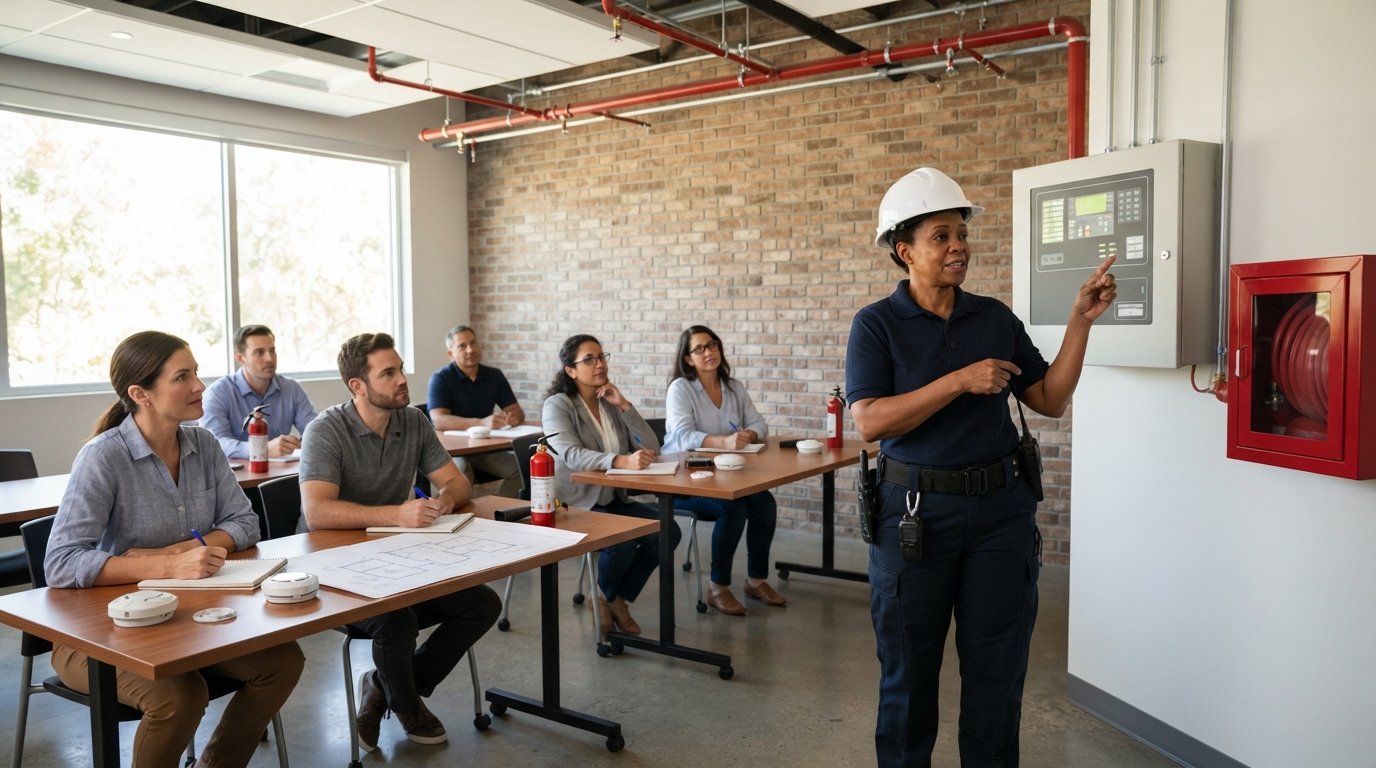
These skills are put into practice through practical exercises and projects. For instance, you might be tasked with inspecting a mock building on campus, identifying hazards, and writing a report that would hold up in a legal or insurance context. This hands-on approach ensures that when you graduate, you have not only the knowledge but also the confidence to succeed in the field.
Career Opportunities and Advancement with This Certificate
One of the most compelling reasons to pursue this certificate is the breadth of career opportunities it opens up. Fire prevention is not limited to being a firefighter, though that is one path. Graduates of this program often find work as fire inspectors, fire investigators, fire prevention specialists, and safety officers in both the public and private sectors. Insurance companies hire fire prevention technicians to assess risks and recommend mitigation strategies. Large corporations and industrial facilities employ them to develop and enforce internal fire safety policies. And municipal fire departments are always in need of trained personnel to conduct inspections and community outreach.
The job outlook for these roles is steady. According to the U.S. Bureau of Labor Statistics, employment of fire inspectors and investigators is projected to grow about as fast as the average for all occupations over the next decade. This growth is driven by the ongoing need for public safety and the increasing complexity of building codes and fire protection technologies. The median annual wage for fire inspectors and investigators was around $68,000 in 2024, which makes this certificate a solid investment in your financial future. Furthermore, for those who already work in fire services, this certificate can be a stepping stone to promotion or a specialty role. A firefighter who earns this certificate becomes more valuable to their department, potentially leading to a position as a fire marshal or a fire prevention officer.
If you are considering a career in this field, you may also be interested in exploring other pathways that complement your goals. For instance, our guide on top Montana colleges for four-year degree programs shows how a bachelor's degree can further enhance your leadership potential, even though this certificate is a fantastic starting point.
Admissions and Requirements: Getting Started at CCP
Getting started in this program is a straightforward process, but there are a few key steps you need to take. First, you must apply to Community College of Philadelphia. The college has an open admissions policy, meaning that any student with a high school diploma or GED is eligible for admission. However, some programs have specific requirements, so it is always best to check the college's website or contact the admissions office for the most current information about the Fire Prevention and Safety Technology/Technician Certificate.
Once you are admitted to the college, you will need to declare this certificate as your program of study. You will likely be assigned an academic advisor who can help you map out your course schedule. Because the program is designed to be completed in one to two years, you can choose to attend full-time or part-time, depending on your other commitments. Full-time students might finish in as little as one year, while part-time students typically complete the program in two years. The in-person format means you will need to be available for classes on campus during the day or evening, depending on what is offered each semester.
There are no specific prerequisite courses for the certificate, but a background in math and science is helpful, as you will encounter concepts from physics and chemistry in your fire science classes. Additionally, you may need to complete a criminal background check, as many fire prevention jobs require clearance, and some internships or field experiences may be contingent on that. It is also wise to have a valid driver's license and a reliable way to travel, as you may need to visit off-campus sites for practical training.
The In-Person Learning Experience: Why It Matters
In an era where online learning is becoming increasingly common, you might wonder why an in-person program is worth your time. For fire prevention, the answer is clear: this is a tactile, practical field. You need to physically inspect a fire extinguisher to understand its parts and pressure gauge. You need to walk through a building's corridor to see how a fire door should close and latch. You need to smell the smoke from a controlled burn to understand fire behavior. These experiences cannot be fully replicated on a screen.
At CCP, the in-person format also facilitates collaboration. You will work alongside classmates who share your interest in public safety, which can lead to study groups, professional connections, and friendships that last beyond graduation. Your instructors can provide immediate feedback on your inspection reports and presentations, helping you improve in real time. And the campus itself is a resource. CCP has facilities that mimic real-world environments, such as a fire safety lab where you can practice with alarm systems and suppression equipment. This kind of immersive learning builds muscle memory and critical thinking skills that are essential for success in the field.
Furthermore, studying in person at CCP gives you access to the broader Philadelphia community. The college often partners with local fire departments and safety organizations for guest lectures, job shadowing opportunities, and even internships. These connections are invaluable when you start your job search, as they provide direct references and a foot in the door at potential employers. While online programs offer flexibility, they cannot match this level of hands-on engagement and networking.
Financial Aid and Making the Program Affordable
Cost is a major consideration for any educational program, and the Fire Prevention and Safety Technology/Technician Certificate at CCP is an affordable option compared to many private institutions. However, you should still explore all your financial aid options to minimize out-of-pocket expenses. The first step is to complete the Free Application for Federal Student Aid (FAFSA), which determines your eligibility for federal grants, work-study, and loans. CCP also offers its own scholarships and grants, so be sure to check with the financial aid office about institutional opportunities.
Additionally, if you are a Philadelphia resident, you may qualify for the Community College of Philadelphia Foundation scholarships, which are funded by private donors and can cover a significant portion of your tuition. Many students also use employer tuition reimbursement programs, especially if they are already working in a related field like security or facility management. If you are a veteran or active-duty military, you may be eligible for GI Bill benefits, which can cover tuition and provide a housing allowance. For those who need help navigating the financial aid process, resources like CollegeDegrees.School offer comprehensive guidance on funding your education, from scholarships to loan options.
Is This Certificate Right for You?
Deciding whether to enroll in this program requires an honest assessment of your interests and career goals. You are a good fit for this certificate if you are detail-oriented, enjoy working with your hands as well as your mind, and have a genuine desire to protect people and communities. Fire prevention work often involves dealing with the public, so strong communication skills are essential. You also need to be comfortable with authority, as you will be enforcing codes and delivering sometimes unwelcome news to property owners. But if you are up for the challenge, this career is deeply rewarding.
The certificate is also an excellent choice for those who want a quick entry into the workforce. Unlike a two-year associate degree, which includes general education courses, the certificate focuses exclusively on fire prevention topics. This means you can gain the specific skills you need in a shorter time and start earning a salary sooner. Many students start with the certificate, work in the field for a few years, and then decide to pursue an associate degree or even a bachelor's degree in fire science to advance their careers. The certificate credits often transfer directly into these higher-level programs, so you are not starting from scratch.
On the other hand, if you are looking for a broad, general education that exposes you to many subjects, a certificate might feel too narrow. But if you are already sure that fire prevention is your calling, there is no reason to wait. You can always add on more education later, but the certificate gives you a targeted, practical start.
Your Next Steps to Enroll and Succeed
Now that you have a clear picture of what this certificate entails, the next step is to take action. Start by visiting the Community College of Philadelphia website to review the program page and confirm the current curriculum and start dates. Then, submit your application for admission, which can be done online in under an hour. You will also need to complete the FAFSA as soon as possible to maximize your financial aid package. Once you are accepted, you will be invited to an orientation session where you can meet advisors and register for your first courses.
To succeed in this program, come prepared to study and engage. Read the assigned materials before class, ask questions when you are unsure, and take advantage of the professor's office hours if you need extra help. Form study groups with your classmates, and do not be afraid to seek out internships or volunteer opportunities with local fire departments. Even a few hours of volunteer experience can make your resume stand out to employers. The skills you learn in this certificate are in demand, and with dedication, you will be well on your way to a fulfilling career in fire prevention and safety.
In summary, the Fire Prevention and Safety Technology/Technician Certificate, 1 year to less than 2 years In-person at Community College of Philadelphia, is more than just a piece of paper. It is a practical, hands-on education that prepares you for a vital role in public safety. With a focused curriculum, experienced instructors, and strong community connections, this program offers a direct path to a stable and meaningful career. If you are ready to make a difference and build a secure future, this certificate is a smart place to start.